
Tag

cph4 it company

The Importance of Support and Maintenance for Your Website or Application Article by CPH4.co

The Importance of Support and Maintenance for Your Website or Application

By Blog TechNo Comments

In today’s digital landscape, having a website or application is essential for businesses and individuals alike. However, merely launching a website or application is not enough; it requires ongoing support and maintenance to ensure optimal performance, security, and user experience. In this article, we will explore the importance of support and maintenance and discuss the key benefits it brings to your online presence.

Enhancing Performance:

1. Support and maintenance activities play a vital role in enhancing the performance of your website or application. Regular monitoring and optimization help identify and fix any performance bottlenecks, ensuring that your site or app loads quickly, operates smoothly, and delivers a seamless user experience. By optimizing code, database queries, and server configurations, you can improve response times and minimize downtime, which is crucial for customer satisfaction and retention.

Ensuring Security:

2. Cybersecurity threats are constantly evolving, making it essential to prioritize website and application security. Support and maintenance activities involve keeping your software, plugins, themes, and frameworks up to date, as outdated versions may contain vulnerabilities. Regular security audits, malware scans, and implementing necessary patches help protect your website or application from potential attacks. By staying proactive and vigilant, you can significantly reduce the risk of data breaches, unauthorized access, and other security incidents.

Bug Fixing and Issue Resolution:

3. Even with thorough testing before launch, it’s not uncommon for websites and applications to encounter bugs or technical issues. Support and maintenance services provide a dedicated team that can promptly address and resolve any problems that arise. By actively monitoring logs, error reports, and user feedback, they can identify and fix issues that may affect functionality, usability, or user experience. Regular bug fixing and issue resolution contribute to maintaining a reliable and error-free online presence.

Content Updates and Website Evolution:

4. Websites and applications are not static entities; they require regular updates and content additions to stay relevant and engaging. Support and maintenance services encompass content management, including updating text, images, videos, and other media. They also facilitate the addition of new features, functionality, or integrations to keep up with evolving user expectations and business requirements. By regularly refreshing content and enhancing features, you can provide a better user experience and maintain a competitive edge.

Backups and Disaster Recovery:

5. Data loss can be catastrophic for any website or application. Support and maintenance services include regular backups of your website or application data, ensuring that critical information is protected. In the event of a hardware failure, hacking attempt, or accidental data loss, a comprehensive backup strategy allows for quick data restoration, minimizing downtime and potential revenue loss. Backup and disaster recovery plans are essential components of support and maintenance services to safeguard your online assets.

Conclusion:

Support and maintenance services are vital for the long-term success of your website or application. By investing in ongoing support and maintenance, you can optimize performance, enhance security, address issues promptly, keep your content fresh, and protect your data. Remember that a well-maintained online presence not only boosts user satisfaction but also helps in achieving your business goals. Prioritize support and maintenance to ensure a seamless and secure digital experience for your audience.


The Art of Video Pre and Post-Production: Crafting Captivating Visual Stories Article by CPH4.co

The Art of Video Pre and Post-Production: Crafting Captivating Visual Stories

By Blog TechNo Comments

Video production has become an integral part of our digital age, with videos being a powerful medium for storytelling, marketing, and communication. However, behind every compelling video lies the intricate process of pre and post-production. In this article, we will delve into the world of video pre and post-production, exploring the key steps involved and highlighting the importance of these stages in creating captivating visual stories.

  1. Pre-Production: Laying the Foundation
  1. Concept Development: Pre-production starts with the conceptualization phase, where ideas are brainstormed, and the video’s purpose, target audience, and key messages are defined. This stage involves researching, storyboarding, and scriptwriting to outline the video’s structure and content.
  2. Planning and Logistics: Once the concept is solidified, pre-production moves into the planning phase. This includes determining the production timeline, budgeting, securing necessary permits and locations, and organizing the production crew and talent. Clear communication and coordination among the team are crucial to ensure a smooth production process.
  3. Visual Design: Pre-production also involves visual design elements such as creating a visual style, selecting appropriate color palettes, and designing sets or props. These decisions contribute to the overall aesthetic and visual impact of the video.
  1. Production: Bringing Ideas to Life
  1. Equipment Setup: During the production phase, the pre-planned logistics come into play. This includes setting up cameras, lighting, sound equipment, and other technical requirements. Ensuring proper equipment setup and testing is essential to capture high-quality footage.
  2. Directing and Shooting: The director plays a pivotal role in guiding the actors, framing shots, and capturing the desired performances. The production crew works together to capture footage, ensuring proper camera angles, lighting, and sound recording. Attention to detail and effective communication between the director, cinematographer, and crew are vital for a successful production.

III. Post-Production: Polishing the Visual Story

  1. Video Editing: Post-production begins with the video editing phase. Raw footage is organized, trimmed, and combined to create a cohesive narrative. The editor selects the best shots, adds transitions, overlays, and special effects, and syncs the visuals with soundtracks or voiceovers. This stage allows for storytelling finesse, pacing adjustments, and enhancing the overall visual impact of the video.
  2. Color Correction and Grading: Color correction and grading play a significant role in setting the mood and enhancing the visual aesthetics of the video. Adjusting brightness, contrast, saturation, and color tones ensures consistency and evokes the desired emotions. It adds a professional touch to the final product.
  3. Sound Design and Mixing: Sound design and mixing are crucial elements of post-production. It involves adding background music, sound effects, and ensuring clear and balanced audio. Sound editing techniques such as noise reduction and voice enhancement help deliver a polished and immersive audio experience.
  4. Motion Graphics and Visual Effects: In some cases, motion graphics and visual effects are added to enhance the video’s visual appeal. This includes text animations, infographics, 3D graphics, and other visual enhancements that engage the audience and support the storytelling process.

Conclusion

Video pre and post-production are essential stages in the creation of captivating visual stories. The meticulous planning and organization in pre-production set the foundation for a successful production, while the skilled craftsmanship in post-production adds the finishing touches that elevate the video to its full potential. Understanding the intricacies of these stages allows for the creation of compelling videos that resonate with audiences and effectively convey messages. By embracing the art of video pre and post-production, you can bring your visual stories to life and captivate viewers in the ever-evolving world of digital media.

The Benefits of IT Consulting: Unlocking Success in the Digital Age Article by CPH4.co

The Benefits of IT Consulting: Unlocking Success in the Digital Age

By Blog TechNo Comments

In today’s fast-paced and technology-driven business landscape, staying competitive and maximizing operational efficiency is crucial. This is where IT consulting plays a pivotal role. IT consulting firms provide specialized knowledge and expertise to help businesses harness the power of technology and overcome various challenges. In this article, we will explore the benefits of IT consulting and how it can unlock success in the digital age.

1. Strategic Technological Alignment

One of the key benefits of IT consulting is the ability to align technology with the strategic goals of a business. IT consultants work closely with organizations to understand their objectives, analyze existing IT infrastructure, and devise a customized plan to optimize technology resources. By aligning technology investments with business strategies, IT consulting helps organizations make informed decisions that enhance productivity, reduce costs, and drive growth.

2. Expertise and Knowledge

IT consulting firms bring a wealth of expertise and knowledge to the table. With their specialized skill sets and industry experience, IT consultants can provide valuable insights and recommendations tailored to specific business needs. Whether it’s implementing new systems, improving cybersecurity measures, or streamlining IT processes, consultants can offer innovative solutions backed by the latest industry best practices.

3. Cost Efficiency

Implementing and maintaining an effective IT infrastructure can be costly for businesses. IT consulting helps optimize costs by identifying areas of improvement, reducing inefficiencies, and suggesting cost-effective alternatives. By leveraging the expertise of consultants, organizations can avoid unnecessary expenses and allocate resources strategically, ensuring maximum return on investment (ROI).

4. Enhanced Security and Risk Mitigation

Data breaches, cyber threats, and technological vulnerabilities pose significant risks to businesses today. IT consulting firms prioritize cybersecurity and risk management, helping organizations strengthen their defense mechanisms. Consultants conduct comprehensive security audits, identify vulnerabilities, and develop robust strategies to mitigate risks. By implementing proactive security measures and staying up to date with the latest threats, businesses can safeguard their valuable assets and maintain the trust of their customers.

5. Scalability and Flexibility

In a rapidly evolving business environment, scalability and flexibility are critical. IT consultants assist organizations in adapting to changing technological requirements and scaling their IT infrastructure accordingly. Whether it’s expanding operations, migrating to the cloud, or integrating new software, consultants ensure that businesses have the necessary systems and processes in place to accommodate growth and remain agile in the face of evolving market demands.

6. Increased Productivity and Efficiency

Optimized technology systems lead to improved productivity and efficiency. IT consultants assess existing workflows, identify bottlenecks, and recommend solutions to streamline processes. By implementing automation tools, optimizing software applications, and enhancing collaboration platforms, consultants enable businesses to operate more efficiently, saving time and resources while empowering employees to focus on core tasks.

Conclusion

In today’s digital age, businesses must harness the power of technology to remain competitive and thrive. IT consulting offers numerous benefits, ranging from strategic technological alignment and expertise to cost efficiency and enhanced security. By partnering with IT consulting firms, organizations can unlock their full potential, optimize operations, and embrace innovation. As technology continues to evolve at an unprecedented pace, IT consulting becomes an indispensable ally for businesses looking to stay ahead in the digital era

The Art of Social Media Management: Boosting Your Online Presence Article by CPH4.co

The Art of Social Media Management: Boosting Your Online Presence

By Blog TechNo Comments

In today’s digital age, social media has become an integral part of our lives. From personal connections to business promotions, social media platforms offer tremendous opportunities to connect with others and establish a strong online presence. However, managing multiple social media accounts effectively can be challenging. That’s where social media management comes into play. In this blog article, we will explore the art of social media management and provide you with valuable insights to boost your online presence.

Define Your Social Media Goals:

1. Before diving into social media management, it’s crucial to define your goals. Are you looking to increase brand awareness, drive website traffic, generate leads, or engage with your audience? Setting clear objectives will help you develop a focused social media strategy and measure your success accurately.

Choose the Right Platforms:

2. Not all social media platforms are created equal. Each platform caters to a specific audience and content format. Research your target audience demographics and preferences to determine the most suitable platforms for your business. Whether it’s Facebook, Instagram, Twitter, LinkedIn, or TikTok, understanding your audience will allow you to allocate your resources effectively.

Develop a Content Strategy:

3. Consistent and engaging content is the key to capturing your audience’s attention and keeping them interested. Create a content strategy that aligns with your brand voice and values. Decide on the type of content you will share, such as blog articles, videos, infographics, or user-generated content. Maintain a content calendar to ensure a steady flow of posts and avoid inconsistency.

Implement Effective Scheduling and Automation:

4. Managing multiple social media accounts can be time-consuming. Take advantage of social media management tools that allow you to schedule posts in advance. By batching your content creation and scheduling, you can save time and maintain a consistent posting frequency. Additionally, consider using automation tools for tasks like social media monitoring, responding to comments, and tracking analytics.

Engage and Interact with Your Audience:

5.  Social media is not a one-way street. Engaging with your audience is crucial for building relationships and establishing trust. Respond to comments, messages, and mentions promptly. Ask questions, conduct polls, and encourage user-generated content to foster a sense of community. Show genuine interest in your audience’s opinions and feedback, and incorporate their input into your content strategy when appropriate.

Monitor Analytics and Refine Your Strategy:

6.  Tracking and analyzing social media metrics is essential for measuring the effectiveness of your efforts. Pay attention to engagement rates, reach, click-through rates, and conversion rates. Monitor which types of content perform well and adjust your strategy accordingly. A data-driven approach allows you to refine your social media management tactics and optimize your results over time.

Stay Up-to-Date with Social Media Trends:

7.  Social media is a rapidly evolving landscape. Stay informed about the latest trends, algorithm updates, and new features introduced by each platform. Experiment with new formats, such as live videos, stories, or reels, to keep your content fresh and relevant. Embrace innovation and adapt your strategy to capitalize on emerging opportunities.

Conclusion:

Effective social media management is a combination of planning, creativity, and adaptability. By defining your goals, selecting the right platforms, developing a content strategy, utilizing scheduling tools, engaging with your audience, monitoring analytics, and staying updated with trends, you can boost your online presence and achieve meaningful results. Remember, social media management is an ongoing process, so continue to learn, experiment, and refine your strategy to stay ahead in the dynamic world of social media.

The Power of Corporate Branding: Unlocking Success through Effective Brand Identity Article by CPH4.co

The Power of Corporate Branding: Unlocking Success through Effective Brand Identity

By Blog TechNo Comments

In today’s competitive business landscape, corporate branding has emerged as a critical factor in the success of companies across various industries. A strong and well-defined brand identity can differentiate a company from its competitors, foster customer loyalty, and drive business growth. In this blog article, we will explore the significance of corporate branding and how giving proper branding to a company can have a profound impact on its success.

  1. What is Corporate Branding?

Corporate branding encompasses the strategic development and management of a company’s brand identity, including its logo, visual elements, messaging, and overall perception in the market. It goes beyond just a company’s products or services and aims to establish a unique and memorable presence that resonates with the target audience.

  1. Building Trust and Credibility:
  1. Differentiation: In a crowded marketplace, effective branding helps companies stand out by communicating their unique value proposition, positioning, and personality.
  2. Trust and Credibility: A strong brand evokes trust and credibility among customers, as it signals consistency, quality, and a commitment to delivering on promises.
  3. Emotional Connection: Brands that successfully connect with customers on an emotional level foster loyalty and long-term relationships, leading to repeat business and positive word-of-mouth.
  1. Increasing Brand Recognition and Awareness:
  1. Memorable Identity: A well-designed logo, color scheme, and visual elements create a strong brand identity that makes a lasting impression on customers, leading to increased brand recognition.
  2. Consistent Messaging: A clear and consistent brand message across all communication channels helps reinforce the brand’s identity and increases awareness among the target audience.
  3. Brand Visibility: Proper branding ensures that the company’s presence is consistent across various touchpoints, including the website, social media, advertising, and offline marketing materials.
  1. Competitive Advantage and Business Growth:
  1. Competitive Differentiation: Effective branding sets a company apart from its competitors, enabling it to position itself as the preferred choice in the market.
  2. Attracting Customers: A strong brand attracts customers who resonate with its values, personality, and offerings, leading to increased customer acquisition and market share.
  3. Premium Pricing: Companies with a strong brand image can command premium pricing as customers are willing to pay more for the perceived value and quality associated with the brand.
  1. Branding as an Organizational Asset:
  1. Employee Alignment: A well-defined brand identity helps align employees around a common purpose, mission, and values, fostering a sense of belonging and pride in the organization.
  2. Recruitment and Retention: A strong brand attracts top talent, as prospective employees are drawn to companies with a positive reputation and a compelling brand story.
  3. Partnerships and Collaborations: Established brands often have an advantage in forming strategic partnerships and collaborations, as they are seen as reliable and trustworthy partners.

Conclusion:

Corporate branding plays a pivotal role in the success of a company by differentiating it from competitors, building trust and credibility, and driving customer loyalty. Giving proper branding to a company is not merely a cosmetic exercise but an investment in its long-term growth and sustainability. By creating a compelling brand identity, consistently delivering on brand promises, and fostering emotional connections with customers, companies can unlock the full potential of their brand and achieve sustainable success in the marketplace.

Unleashing the Power of Search Engine Optimization (SEO) Article by CPH4.co

Unleashing the Power of Search Engine Optimization (SEO)

By Blog TechNo Comments

In today’s digital age, search engines have become the go-to resource for information, products, and services. With billions of searches conducted every day, it has become essential for businesses and website owners to optimize their online presence to rank higher in search engine results. This process is known as Search Engine Optimization (SEO). In this blog article, we will explore the fundamentals of SEO, its importance, and effective strategies to enhance your website’s visibility.

  1. Understanding Search Engine Optimization:

SEO is the practice of optimizing a website to improve its visibility and organic (non-paid) traffic from search engines. It involves a combination of technical, on-page, and off-page strategies aimed at making your website more attractive to search engines and users alike.

  1. The Importance of SEO:
  1. Enhanced Visibility: Appearing on the first page of search engine results significantly increases your website’s visibility and the likelihood of attracting organic traffic.
  2. Increased Web Traffic: Higher rankings lead to more clicks and visits, which can translate into increased conversions and revenue for businesses.
  3. Credibility and Trust: Websites that rank well are perceived as more trustworthy and credible by users, leading to higher engagement and customer loyalty.
  1. Key SEO Factors:
  1. Keyword Research: Identify relevant keywords and phrases that users are likely to search for and incorporate them strategically into your website’s content.
  2. On-Page Optimization: Optimize various on-page elements such as titles, headings, meta descriptions, and URL structures to improve search engine understanding and user experience.
  3. Technical SEO: Ensure your website has a solid technical foundation, including proper site structure, mobile-friendliness, fast page load times, and XML sitemaps.
  4. Content Creation: Develop high-quality, relevant, and engaging content that caters to the needs of your target audience, incorporating keywords naturally.
  5. Link Building: Earn high-quality backlinks from reputable websites to boost your website’s authority and improve its chances of ranking higher.
  1. Best SEO Practices:
  1. User Experience: Focus on creating a seamless and intuitive user experience, including easy navigation, clear calls-to-action, and mobile optimization.
  2. Mobile Optimization: With the increasing use of mobile devices, ensuring your website is mobile-friendly is crucial for SEO success.
  3. Quality Content: Craft valuable and shareable content that answers users’ queries, showcases expertise, and encourages engagement.
  4. Social Media Integration: Leverage social media platforms to promote your content, increase brand visibility, and attract backlinks.
  5. Regular Monitoring and Analysis: Use analytics tools to monitor your website’s performance, track keyword rankings, and identify areas for improvement.

Conclusion:

Search Engine Optimization plays a vital role in establishing a strong online presence and driving organic traffic to your website. By understanding the core principles of SEO and implementing effective strategies, you can improve your website’s visibility, attract targeted visitors, and ultimately achieve your online goals. Remember, SEO is an ongoing process that requires continuous optimization and adaptation to stay ahead in the competitive digital landscape.

Unleashing the Power of Digital Marketing: Strategies for Success Article by CPH4.co

Unleashing the Power of Digital Marketing: Strategies for Success

By Blog TechNo Comments

In today’s digital age, where consumers spend a significant amount of their time online, businesses must embrace the power of digital marketing to stay competitive and reach their target audience effectively. Digital marketing encompasses a wide range of tactics and strategies aimed at promoting products or services through various online channels. In this article, we will explore the key components of digital marketing and provide valuable insights into creating a successful digital marketing strategy.

Understanding Your Target Audience:

1. The foundation of any effective digital marketing campaign lies in understanding your target audience. Identify your ideal customer profile and create buyer personas to gain a deeper understanding of their needs, preferences, and online behavior. This knowledge will help you tailor your marketing messages and choose the most suitable digital channels to reach your audience effectively.

Search Engine Optimization (SEO):

2. SEO plays a crucial role in increasing your website’s visibility and organic traffic. Conduct keyword research to identify relevant search terms your target audience uses, and optimize your website content accordingly. Ensure your website is user-friendly, loads quickly, and provides valuable information to visitors. Additionally, focus on building quality backlinks and creating relevant, engaging content to improve your search engine rankings.

Pay-Per-Click Advertising (PPC):

3. PPC advertising allows businesses to display ads on search engines and other digital platforms. It offers precise targeting options, ensuring your ads are shown to the right audience. Create compelling ad copy, choose relevant keywords, and set a budget to maximize the effectiveness of your PPC campaigns. Regularly monitor and optimize your campaigns to improve click-through rates (CTR) and conversions.

Content Marketing:

4. Content marketing involves creating and sharing valuable content to attract and engage your target audience. Develop a content strategy that aligns with your business goals and customer needs. Create informative blog posts, articles, videos, infographics, and ebooks that provide value to your audience. Distribute your content through various channels, such as your website, social media platforms, and email newsletters, to establish your brand as a thought leader and build customer loyalty.

Social Media Marketing:

5. Social media platforms have become integral to digital marketing strategies. Identify the social media platforms where your target audience is most active and create engaging profiles. Develop a social media content calendar and post regular updates, including a mix of informative content, promotional offers, and interactive posts. Leverage social media advertising to expand your reach, increase brand awareness, and drive traffic to your website.

Email Marketing:

6. Email marketing remains one of the most effective ways to nurture leads and convert them into customers. Build an email list by offering valuable content, discounts, or exclusive offers. Segment your email list based on user preferences and send personalized, targeted emails. Use automation tools to set up email campaigns that deliver relevant content at the right time, such as welcome emails, abandoned cart reminders, and personalized recommendations.

Analytics and Measurement:

7. To ensure the success of your digital marketing efforts, it is crucial to track and analyze your campaigns’ performance. Utilize analytics tools like Google Analytics to monitor website traffic, user behavior, and conversion rates. Identify key performance indicators (KPIs) aligned with your goals and regularly review and optimize your campaigns based on the insights gained from data analysis.

Conclusion:

Digital marketing has revolutionized the way businesses connect with their audience. By understanding your target audience, employing SEO strategies, leveraging PPC advertising, creating compelling content, utilizing social media platforms, implementing email marketing, and analyzing campaign performance, you can unleash the power of digital marketing and drive growth for your business. Embrace the ever-evolving digital landscape, experiment with different tactics, and refine your strategies to stay ahead in the dynamic world of digital marketing.

The Art of Quality Assurance and Testing: Ensuring Excellence in Software Development Article by CPH4.co

The Art of Quality Assurance and Testing: Ensuring Excellence in Software Development

By Blog TechNo Comments

 In the fast-paced world of software development, delivering high-quality products is crucial for success. Quality assurance (QA) and testing play a vital role in ensuring that software meets the highest standards of performance, reliability, and user satisfaction. This article dives into the art of QA and testing, exploring their importance, best practices, and emerging trends in the field.

  1. The Significance of Quality Assurance:

Quality assurance is an integral part of the software development life cycle. Its primary goal is to prevent defects and ensure that the final product meets customer requirements and expectations. By implementing robust QA processes, organizations can enhance customer satisfaction, reduce risks, and save costs in the long run.

  1. The Role of Testing in Quality Assurance:

Testing is a critical component of quality assurance. It involves executing the software under controlled conditions to identify bugs, errors, and deviations from expected behavior. Effective testing methodologies encompass various types such as unit testing, integration testing, system testing, and acceptance testing. By designing comprehensive test cases, leveraging automation tools, and prioritizing test coverage, QA teams can uncover potential issues early in the development cycle.

  1. Best Practices for Effective Quality Assurance:
  1. Test Planning and Strategy: Developing a well-defined test plan, including objectives, scope, and timelines, is essential for efficient QA. Test strategy should consider factors such as risk assessment, test environment setup, and resource allocation.
  2. Test Case Design: Well-designed test cases are the backbone of effective testing. They should cover functional requirements, edge cases, and user scenarios. Test cases should be easy to understand, reusable, and provide clear steps for reproducing and validating defects.
  3. Test Automation: Automation tools and frameworks can streamline testing efforts, reduce manual errors, and increase efficiency. Organizations should identify suitable areas for automation, such as regression testing, and invest in the right tools and resources.
  4. Continuous Integration and Testing: Integrating testing into the development process through continuous integration/continuous delivery (CI/CD) pipelines ensures that software changes are thoroughly validated. This promotes agility and early bug detection.
  5. Defect Management: Establishing a robust defect management process enables efficient tracking, reporting, and resolution of issues. Prioritizing and categorizing defects helps focus efforts on critical areas.
  1. Emerging Trends in Quality Assurance:
  1. Shift-Left Testing: With agile and DevOps practices gaining popularity, organizations are adopting a “shift-left” approach, emphasizing early and continuous testing. This ensures that quality is built into every stage of the development cycle.
  2. Test Data Management: Managing test data effectively is crucial for accurate testing. Test data management solutions help create realistic and diverse data sets while ensuring data privacy and compliance.
  3. AI and Machine Learning in Testing: Artificial intelligence (AI) and machine learning (ML) technologies are transforming the testing landscape. AI-powered tools can analyze vast amounts of test data, predict potential defects, and optimize test coverage.
  4. Test Environment Virtualization: Virtualized test environments provide flexibility and cost-efficiency. By simulating complex real-world scenarios, testers can assess system performance and scalability accurately.

Conclusion:

Quality assurance and testing are indispensable components of software development. By following best practices and staying updated with emerging trends, organizations can enhance the quality, reliability, and user experience of their software products. Implementing a strong QA and testing framework ultimately leads to improved customer satisfaction, reduced risks, and a competitive advantage in the ever-evolving technology landscape.


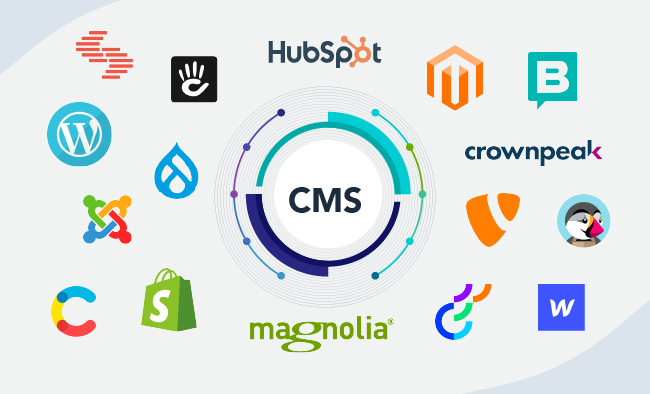
The Essential Guide to CMS Design & Development Article by CPH4.co

The Essential Guide to CMS Design & Development

By Blog TechNo Comments

In today’s digital age, content management systems (CMS) have become the backbone of countless websites and blogs. CMS platforms simplify the process of creating, editing, and organizing content, empowering individuals and businesses to manage their online presence efficiently. This article will explore the key aspects of CMS design and development, providing insights into the crucial elements that make a CMS successful.

Understanding CMS:

1. To start, let’s establish a clear understanding of what a CMS is and how it functions. A CMS is a software application that enables users to create, modify, and manage digital content without requiring specialized technical knowledge. It provides a user-friendly interface for content creation and offers features like content editing, workflow management, and version control.

Designing a User-Friendly Interface:

2. A well-designed CMS interface plays a vital role in enhancing the user experience. Considerations for a user-friendly interface include intuitive navigation, clear content hierarchy, easy-to-use content editors, and responsive design to accommodate various devices. By prioritizing usability, a CMS can empower users to focus on content creation rather than struggling with the system itself.

Customization and Flexibility:

3. Every website or blog has unique requirements, and a successful CMS should offer customization and flexibility options. This includes the ability to create custom content types, define fields, and establish relationships between different content elements. Customization empowers users to tailor their CMS to meet specific content management needs.

Content Workflow and Collaboration:

4. Efficient content workflow and collaboration are essential features of a CMS, particularly for multi-author blogs or large organizations. The system should allow for role-based permissions, enabling different users to have specific access rights. Workflow features like content approval, revision tracking, and scheduling publication dates enhance collaboration and streamline content management processes.

SEO Optimization:

5. A CMS should support search engine optimization (SEO) practices to enhance website visibility and organic traffic. This includes features such as customizable URL structures, meta tags, XML sitemaps, and integration with popular SEO plugins. A well-optimized CMS enables content creators to implement SEO best practices seamlessly.

Security and Performance:

6. Robust security measures are paramount when it comes to CMS design and development. The system should offer features like user authentication, data encryption, regular updates, and vulnerability monitoring. Additionally, performance optimization techniques such as caching, image compression, and code optimization contribute to a fast and responsive CMS.

Integration and Extensibility:

7. An effective CMS should integrate with other tools and services seamlessly. This includes integration with social media platforms, e-commerce systems, analytics tools, and email marketing services. Extensibility through plugins or APIs allows users to extend the functionality of the CMS according to their specific needs.

Mobile Responsiveness:

8. With the increasing use of mobile devices, it is essential for a CMS to provide a responsive design that adapts to different screen sizes. Mobile responsiveness ensures that content looks and functions optimally on smartphones and tablets, improving the overall user experience and engagement.

Conclusion:

Designing and developing a successful CMS requires careful consideration of various aspects, from user interface design to customization options, collaboration features, SEO optimization, security, and integration capabilities. By focusing on these key elements, CMS platforms can empower content creators, streamline content management processes, and contribute to a dynamic and engaging online presence.

Remember, building a CMS is an iterative process, and continuous improvement based on user feedback and evolving industry standards is crucial to ensure a successful and future-proof CMS solution.

The Benefits of Cloud Solutions for Modern Businesses Article by CPH4.co

The Benefits of Cloud Solutions for Modern Businesses

By Blog TechNo Comments

In today’s fast-paced digital age, businesses need to be agile and efficient to stay ahead of the competition. One way to achieve this is by leveraging cloud solutions. Cloud computing has revolutionized the way businesses operate, making it easier to manage data, applications, and infrastructure from anywhere in the world. In this article, we’ll explore the benefits of cloud solutions for modern businesses and why you should consider adopting them.
Scalability
One of the key benefits of cloud solutions is scalability. Cloud computing allows businesses to scale their resources up or down as per their requirements. This means that you can quickly add more resources during peak periods and scale back down during slower times, all without having to invest in additional hardware or infrastructure.
Flexibility
Cloud solutions offer businesses the flexibility to work from anywhere in the world. With cloud solutions, you can access your applications and data from any device with an internet connection. This means that your employees can work remotely or from different locations, which can improve productivity and collaboration.
Cost Savings
Cloud solutions can help businesses save money by reducing the need for expensive hardware and infrastructure. With cloud solutions, you only pay for what you use, which means that you don’t have to invest in costly servers or storage devices. Additionally, cloud solutions eliminate the need for dedicated IT staff to manage your infrastructure, which can further reduce your costs.
Security
Cloud solutions offer advanced security features that can help protect your data and applications from cyber threats. Cloud providers typically offer multi-layered security protocols, including encryption, firewalls, and intrusion detection systems. This can help businesses mitigate the risk of data breaches and cyber attacks.
Disaster Recovery
Cloud solutions offer businesses peace of mind by providing disaster recovery capabilities. In the event of a disaster, such as a natural disaster or cyber attack, cloud solutions allow businesses to quickly recover their data and applications. This can minimize downtime and ensure business continuity.
Conclusion
Cloud solutions offer businesses a wide range of benefits, including scalability, flexibility, cost savings, security, and disaster recovery. By adopting cloud solutions, businesses can streamline their operations, reduce costs, and improve their agility. As more businesses move towards cloud computing, it’s becoming clear that the cloud is the way of the future. So, why not consider adopting cloud solutions for your business today?